Best Coffee Machine 2026: Complete US Buyer's Guide
Coffee obsessive and home roaster. Daily driver: a Gaggia Classic Pro and a single-dosing Mazzer Super Jolly.
Just so you know, some links on this page are affiliate links. If you buy something via them, we get a small kickback. You don't pay more, but it helps toward the beans.
The best coffee machine in the US comes down to one honest question: how much do you actually want to be involved in making your coffee? Some people want to learn the craft, dial in shots, and understand extraction. Others just want good coffee without thinking about it. Both are completely valid, and the right machine is different for each.
Quick Picks
| Machine | Type | Best For | |
|---|---|---|---|
| DeLonghi Dedica | Semi-auto | Tiny kitchens | Check Price on Amazon |
| DeLonghi Magnifica S | Bean-to-cup | Budget convenience | Check Price on Amazon |
| Breville Bambino Plus | Semi-auto | Beginners | Check Price on Amazon |
| Gaggia Classic Pro | Semi-auto | Learning espresso | Check Price on Amazon |
| Breville Barista Express | Semi-auto | Built-in grinder | Check Price on Amazon |
Prices shown are approximate at time of review. Click "Check price" for current pricing.
Short version: the Breville Bambino Plus is the best starting point for most people who want proper espresso without a steep learning curve. If you want zero hassle, the DeLonghi Magnifica S does everything automatically and makes genuinely good coffee. And if you're serious about learning the craft, pair a Gaggia Classic Pro with a decent grinder.
These recommendations come from cross-referencing Wirecutter, Wirecutter, and CNET with real user feedback from r/espresso and coffee forums. We update this monthly as prices shift and new models appear.
Semi-automatic machines
Semi-automatics give you control over the espresso process. You grind, you tamp, you time the shot. More work, but noticeably better results than any bean-to-cup at the same price. The trade-off is you'll need a separate grinder, and there's a learning curve.
The Gaggia Classic Pro has trained more home baristas than any other machine. Wirecutter rates it "Best Value" and it's the default recommendation on r/espresso. The commercial 58mm portafilter uses the same accessories as cafe machines, and the brass boiler gives solid temperature stability. There's a massive modding community if you want to add PID temperature control later. Pair it with a Baratza Encore ESP or Timemore C3 ESP PRO hand grinder if budget is tight.
Pros: Commercial 58mm portafilter, excellent modding community, proven reliability (20+ year lifespan), teaches real barista skills, superb resale value.
Cons: 15-minute heat-up time, steep learning curve (first month is frustrating), needs temperature surfing without PID, requires separate grinder.
Verdict: Buy if you want to learn proper espresso technique and keep the machine for years. Skip if you want instant gratification.
The Breville Bambino Plus is what Wirecutter calls "the easiest path to great espresso." It heats in 3 seconds flat, fits in 7.5 inches of counter space, and the automatic milk frothing produces genuinely good microfoam. The 54mm portafilter has fewer accessory options than the 58mm standard, and you won't learn as much as you would with a Gaggia. But if you want good lattes without months of practice, this is the one. Still needs a separate grinder though.
Pros: 3-second heat-up (fastest in class), compact 7.5 inches width, automatic milk frothing, beginner-friendly, great build quality.
Cons: 54mm portafilter (fewer accessories), automatic frother limits texture control, still needs separate grinder, less upgrade potential than Gaggia.
Verdict: Best choice for milk drink lovers who want good espresso without a steep learning curve.
The DeLonghi Dedica is the slimmest proper espresso machine at just 6 inches wide. Think of it as a "find out if you like espresso" machine rather than a "make great espresso forever" machine. You'll probably upgrade within 12-18 months if you get serious, but it's a low-risk way to test the waters.
The Breville Barista Express has a built-in grinder, which appeals to people who want one box that does everything. The catch is that the grinder can't be upgraded separately, and it doesn't match the quality of a standalone grinder at equivalent cost. For the same money, a Gaggia plus a separate grinder gives better espresso and a clearer upgrade path.
The Rancilio Silvia has been largely unchanged for 25 years because the design works. The steam wand is noticeably more powerful than the Gaggia's, making it a better choice if milk drinks are your priority.
Also worth looking at: the Lelit Anna PID for small kitchens wanting precise temperature control, and the Ninja Luxe Pro if you want guided brewing with a built-in grinder.
Premium semi-automatics
Once you're ready to invest more, the premium tier has significantly better build quality and features. Many of these machines aren't available on Amazon. Specialist retailers are the way to go for proper support and warranties.
The Profitec Go (specialist retailers only) is Wirecutter's current top pick for home espresso. German-engineered with a saturated group head, PID temperature control, and a shot timer built in. The build quality is noticeably better than entry-level machines.
The Breville Dual Boiler is a true dual boiler system, meaning you can steam milk while pulling shots simultaneously. PID on both boilers, pre-infusion, and programmable start. Prosumer performance at a fraction of Italian dual boiler prices. This is where you stop needing to upgrade.
The Rancilio Silvia Pro X brings Italian commercial heritage to your counter. Dual PID, soft pre-infusion, and the same legendary steam power as the original Silvia but with far better temperature control.
Bean-to-cup machines
Bean-to-cup machines grind, tamp, brew, and often froth milk automatically. Press a button, get coffee. If convenience matters more than craft, these are the answer.
The DeLonghi Magnifica S is why DeLonghi owns 33% of the US coffee machine market. At this price point, nothing else comes close for automatic coffee. The espresso won't match a well-dialed semi-automatic, but it's consistent, convenient, and genuinely good. If you want coffee without fuss and don't care about learning barista skills, this is the one.
Pros: True one-button operation, consistent shots every time, built-in grinder, excellent value at this price, 5-10 year lifespan with maintenance.
Cons: Built-in grinder can't match dedicated grinders, limited customization, milk frother is basic (upgrade to Evo for automatic), cleaning required weekly.
Verdict: Best bean-to-cup for most people. If you want good coffee without learning anything, this is the machine.
The DeLonghi Magnifica Evo adds automatic LatteCrema milk frothing for true one-touch lattes. Worth the upgrade if you drink lots of milk-based coffees and hate manual frothing.
The Philips 3200 LatteGo solves the cleaning problem. The milk system has only 2 parts that rinse in 15 seconds. Choose this over the Magnifica Evo if cleaning convenience is your priority.
Other solid options: the DeLonghi Eletta for households making 6+ drinks daily.
Semi-automatic vs bean-to-cup
Choose semi-automatic if you want the best possible espresso quality, enjoy learning technique, and don't mind spending 5-10 minutes per drink. Choose bean-to-cup if convenience matters most, multiple people use the machine, or you make 4+ drinks daily.
By budget: at the entry level, the DeLonghi Dedica (semi-auto) or Magnifica S (bean-to-cup). In the value bracket, the Breville Bambino Plus (semi-auto) or DeLonghi Eletta (bean-to-cup). Stepping up, the Gaggia Classic Pro with a grinder (semi-auto) or Philips LatteGo (bean-to-cup).
The grinder question
Every semi-automatic machine needs a separate grinder. This is non-negotiable for real espresso. Budget 40-50% of your total spend on the grinder. Our grinder vs machine budget guide explains why. A solid mid-range grinder paired with an entry machine beats a throwaway grinder paired with a pricier machine every time.
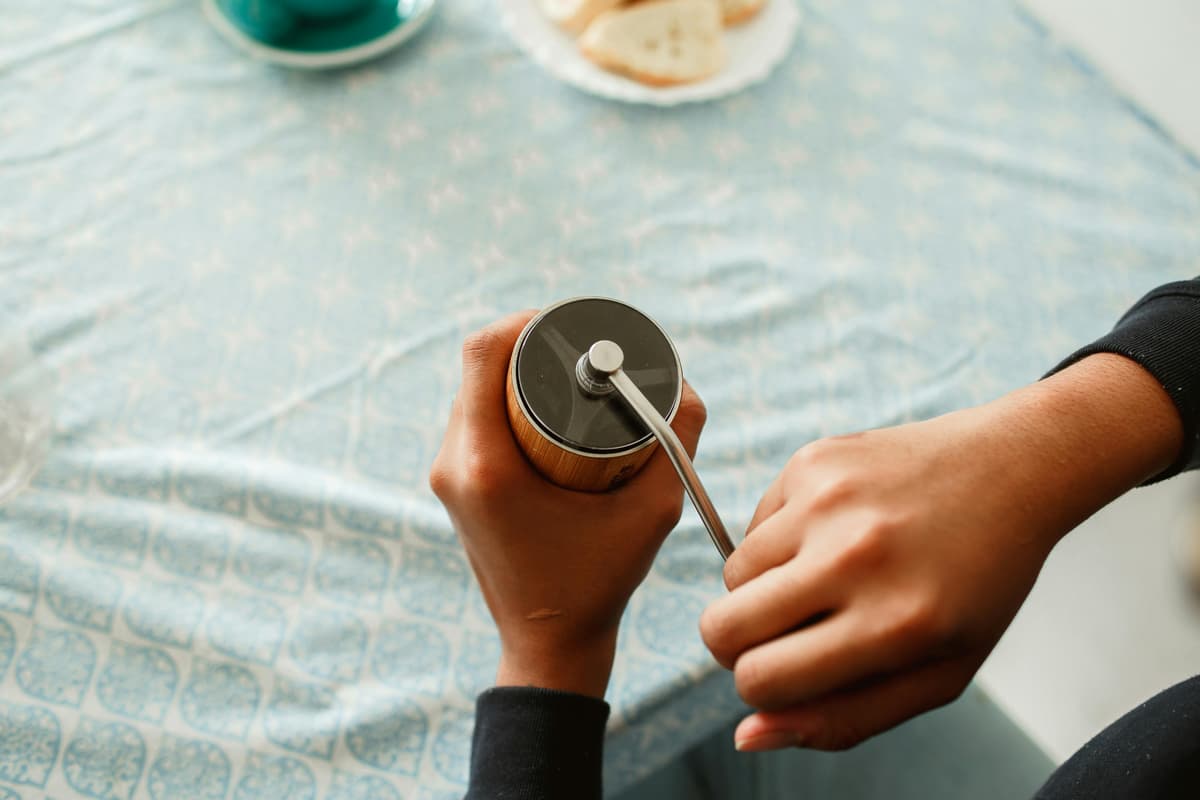
For budget manual grinding, the Timemore C3 ESP PRO is a manual grinder with excellent grind quality. Takes 30-45 seconds per dose, but the results punch well above the price.
At the budget end, the Baratza Encore ESP is purpose-built for espresso with US service available. The Fellow Opus is a stylish all-rounder if aesthetics matter.
Stepping up to the mid-range, the Baratza Sette 270 is fast, consistent, and excellent for espresso. It's a favorite on r/espresso. The Eureka Mignon Silenzio sits at a similar level, whisper-quiet and beautifully built.
For enthusiasts, the Niche Zero (direct only) is the favorite. Single-dosing design with zero retention. The DF64 uses flat burrs at a fraction of commercial prices.
What to avoid
Skip the cheapest machines (they won't make real espresso), pod machines (different brewing method entirely), and budget built-in grinder machines (the grinder compromises everything). Machines with only pressurized baskets hit a ceiling fast. Stick to established names like Gaggia, Breville, DeLonghi, Rancilio, and Lelit for parts availability and support.
UK buying tips
Amazon has the widest selection and easy returns. Best Buy has price-matching and extended warranties. Target includes a 2-year guarantee on all machines.
For premium grinders and specialist equipment, specialist retailers give expert advice, proper US support, and better warranties. Other specialist retailers stock premium machines (Profitec, Eureka, Lelit prosumer range) not available on Amazon. For serious espresso gear, the extra service is worth it.
Best times to buy: Black Friday (20-30% off Breville machines), Amazon Prime Day (good DeLonghi deals), and January sales.
One more thing: hard water affects all machines. Descale every 2-3 months or use filtered water. BWT or ZeroWater filters are worth considering if you're in a hard water area.
Frequently asked questions
What's the best coffee machine for home use UK?
For espresso: Breville Bambino Plus for beginners or Gaggia Classic Pro for learning proper technique. For convenience: DeLonghi Magnifica S gives you one button, good coffee. For filter coffee: Moccamaster is the gold standard.
Is Breville or DeLonghi better?
Different strengths. Breville (Breville in other countries) makes better semi-automatic espresso machines with more control, better build quality, and proper temperature management. DeLonghi dominates bean-to-cup with 33% US market share because their automatic machines are reliable and good value. Choose based on how hands-on you want to be: Breville for craft, DeLonghi for convenience.
How much should I spend on a coffee machine UK?
The mid-range tier gets you excellent quality that'll last years. Under the budget tier is genuinely limited and you'll likely upgrade within a year. Above the premium tier is diminishing returns unless you're serious about espresso as a hobby. The sweet spot for most people is a mid-range machine plus a budget grinder if going semi-automatic.
Typical positioning: budget machines sit at the entry level, mid-range a clear step up, and premium machines into serious prosumer money. Grinders run from basic budget models up to capable mid-range units.
---
What coffee machine do baristas recommend?
For learning espresso technique, baristas consistently recommend the Gaggia Classic Pro with its commercial-style 58mm portafilter, huge modding community, and 20+ year lifespan. For easy daily use: Breville Bambino Plus with 3-second heat-up and automatic milk frothing. For offices and families: DeLonghi bean-to-cup machines handle volume without fuss.
Not sure which to choose?
Take our 60-second quiz for a personalized recommendation based on your budget, how much effort you want to put in, and what drinks you make most.
Water quality: the silent variable in every machine
Hard water, water with high mineral content, affects every coffee machine, but espresso machines are especially sensitive. Limescale builds inside heating elements, reduces thermal efficiency, restricts water flow, and eventually causes machines to fail or pull poorly-timed shots. The US varies dramatically in water hardness by region, and it affects your maintenance schedule and, subtly, your espresso quality.
What to know about your water:
Soft water (under 60 ppm): Descale every 4-6 months. Minerals provide some positive flavor contribution to espresso, very soft water can produce flat-tasting shots. If you're in a soft water area and shots taste thin, water mineral content is sometimes the culprit.
Moderate hardness (60-150 ppm): Descale every 2-3 months. Most US cities fall in this range. Standard tap water works fine with regular maintenance.
Hard water (150+ ppm): Descale monthly, or invest in a water filtration solution. Southern California, Phoenix, Las Vegas, and many central and southern states have notably hard water. Unfiltered hard water without regular descaling shortens machine life significantly.
Simple solutions: - Brita-filtered water reduces mineral content meaningfully without requiring an investment in specialty water products. - Third Wave Water sachets add minerals back to distilled water in precise amounts for espresso, the most dialed-in solution, used by specialty coffee enthusiasts. - In-machine water filters (standard in DeLonghi bean-to-cup machines) extend descale intervals but don't eliminate the need entirely.
Three-year cost comparison: what you actually spend
Most coffee machine guides stop at the purchase price. Here's a more honest look at total cost over three years, comparing different approaches.
Nespresso Original pod machine (entry-priced machine + $0.85/pod, 2 pods daily): - Machine: entry-priced - Pods (2x daily × 365 × 3): around $1,860 - Descaler (yearly): around $15 × 3 = $45 - Three-year total: around $2,055
*DeLonghi Magnifica S bean-to-cup (mid-priced machine + $15/250g bag, 13 shots/bag, 2 daily):* - Machine: mid-priced - Coffee (around $1.15/shot × 2 × 365 × 3): around $2,520 - Filters and descaler: around $50/year × 3 = $150 - Three-year total: around $3,020
*Semi-automatic: Gaggia Classic Pro + Baratza Encore ESP (full setup, same coffee cost):* - Machine + grinder: full setup - Coffee (around $0.80/shot × 2 × 365 × 3): around $1,752 - Maintenance supplies: around $30/year × 3 = $90 - Three-year total: around $2,492
The semi-automatic setup costs less over three years than the bean-to-cup and significantly less than pods, while producing better coffee. The upfront cost is real; the long-term math favors the investment.
This is why "just get a pod machine for convenience" is more expensive advice than it looks at first glance.
Common buying mistakes and how to avoid them
The same mistakes appear repeatedly in home espresso purchases. Knowing them in advance saves significant money and frustration.
Fresh beans matter more than the machine. Buy from a local roaster whenever possible. Beans roasted within two weeks produce dramatically better results than anything from a supermarket shelf. Water quality across the US
Hard water is the silent machine killer. Much of the Midwest and Southwest has water hardness exceeding 200 ppm. Running this through a thermoblock or boiler builds scale that reduces performance within months. A Brita pitcher is the minimum investment. For serious protection, Third Wave Water mineral packets with distilled water give you full control. Check your local water utility report, anything above 120 ppm warrants filtration for espresso equipment. Buying a machine without budgeting for a grinder: Semi-automatic machines require a grinder. Not including this in the budget leads to either buying an inadequate grinder (worse results than the machine is capable of) or buying the machine and then not being able to use it properly.
Prioritizing aesthetics over function at budget prices: Several machines in the lower-mid range look premium but perform poorly. Chrome finishes and stainless styling disguise budget components underneath. Check the portafilter size (less than 58mm limits accessories), basket type (pressurized baskets cap quality), and boiler type (thermo-blocks vs brass boilers behave differently).
Ignoring maintenance costs: Budget machines from unfamiliar brands often have proprietary parts that become unavailable. Established brands like Breville, Gaggia, DeLonghi, and Rancilio have US parts availability and active repair communities. When a budget machine fails at 18 months, the repair cost sometimes exceeds the purchase price.
What to Avoid
Buying a machine without budgeting for a grinder. Every semi-automatic espresso machine requires a separate burr grinder. This is not optional equipment, the grinder determines particle size, which determines extraction quality. Budget 40–50% of your total spend on the grinder. A capable mid-range grinder with an entry machine produces better espresso than a throwaway grinder with a pricier machine. If your budget won’t stretch to both, choose bean-to-cup or save longer.
The “15-bar pressure” trap. Machines at every price point advertise 15-bar pumps. Espresso extracts at 9 bar. The 15-bar figure is the pump’s rated maximum; quality machines regulate this to stable 9-bar extraction. Cheap machines spike and drop inconsistently. The number is a marketing metric that tells you nothing about actual extraction quality. Ignore it and focus on reviews of real-world shot consistency.
All-in-one machines at mid-range prices. Machines like the Breville Barista Express combine machine and grinder in one unit. At the same price as separate components, the built-in grinder is always the weaker link, constrained by space and cost in ways a standalone grinder isn’t. At the same outlay, a Gaggia Classic Pro or Breville Bambino with a separate Baratza Encore ESP outperforms any all-in-one at equivalent cost.
Pod systems as an espresso alternative. Nespresso and similar capsule systems produce espresso-strength drinks, but the extraction parameters are fixed and the ceiling on quality is set by the capsule manufacturer. You cannot adjust grind, dose, or yield. If you want to understand espresso, improve your technique, or taste what fresh specialty beans produce, capsule systems teach you nothing transferable. They are convenience products, not espresso tools.
Underestimating the learning curve: A semi-automatic espresso machine requires learning. The first few weeks of pulling shots involves bad coffee as you calibrate grind, dose, and technique. This is normal and temporary, but buyers who expect immediate excellent results are sometimes disappointed and abandon the machine. If you want immediate good coffee, bean-to-cup machines provide this, and there's no shame in choosing convenience over craft.
What You'll Need With It

The only handheld frother that creates genuine microfoam comparable to a steam wand. Spinning mesh head produces small, uniform bubbles suitable for basic latte art. Works hot or cold. Requires separate heating step and a learning curve.

Budget-friendly espresso scale with 0.1g precision and built-in timer. Excellent value for home baristas.
As an Amazon Associate, we earn from qualifying purchases.
Products Mentioned in This Guide
Find Your Perfect Setup
Answer a few quick questions and get personalised recommendations.
Start the QuizFrequently Asked Questions
What's the best coffee machine for home use?
For espresso: Breville Bambino Plus or Gaggia Classic Pro. For convenience: De'Longhi Magnifica S. For filter: Technivorm Moccamaster.
Is Breville or De'Longhi better?
Breville makes better semi-automatic espresso machines. De'Longhi dominates bean-to-cup with 33% market share. Choose based on how hands-on you want to be.
How much should I spend on a coffee machine?
The mid-range gets excellent quality. Under $200 is limited. Over $500 is diminishing returns unless you're serious about espresso.
What coffee machine do baristas recommend?
For learning espresso: Gaggia Classic Pro. For convenience: Breville Bambino Plus. For offices/families: De'Longhi bean-to-cup machines.
Related Guides
Ready to find your perfect setup?
Our quiz matches you with the right machine, grinder, and accessories.
Take the Quiz - It's FreeNo email required